






Overview
Trekking the Classic Inca Trail to Machu Picchu on a private basis means no fixed schedules, no pressure, and no need to match anyone else’s rhythm. It is just your group, your dedicated guide, and the trail ahead. This 4-day private itinerary offered by Discover Qosqo is crafted to help you savor every viewpoint, every ancient site, and every moment with greater freedom, comfort, and personalized attention.
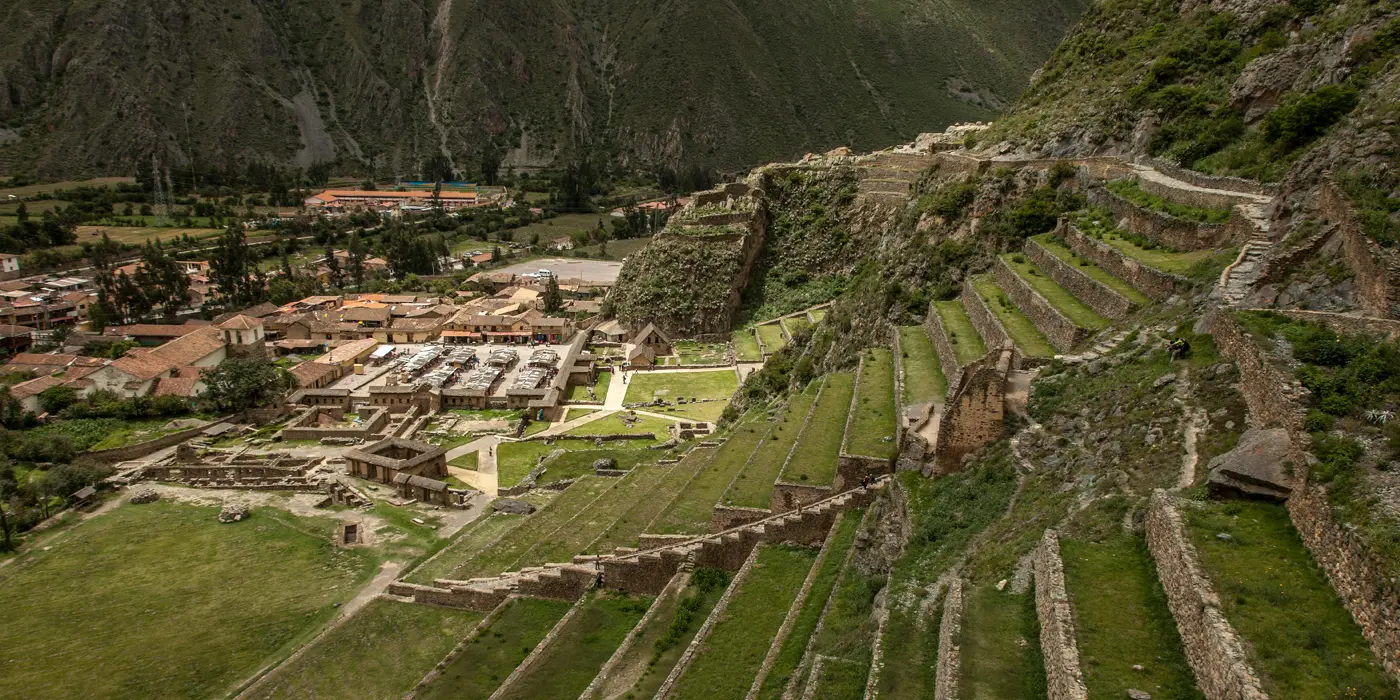
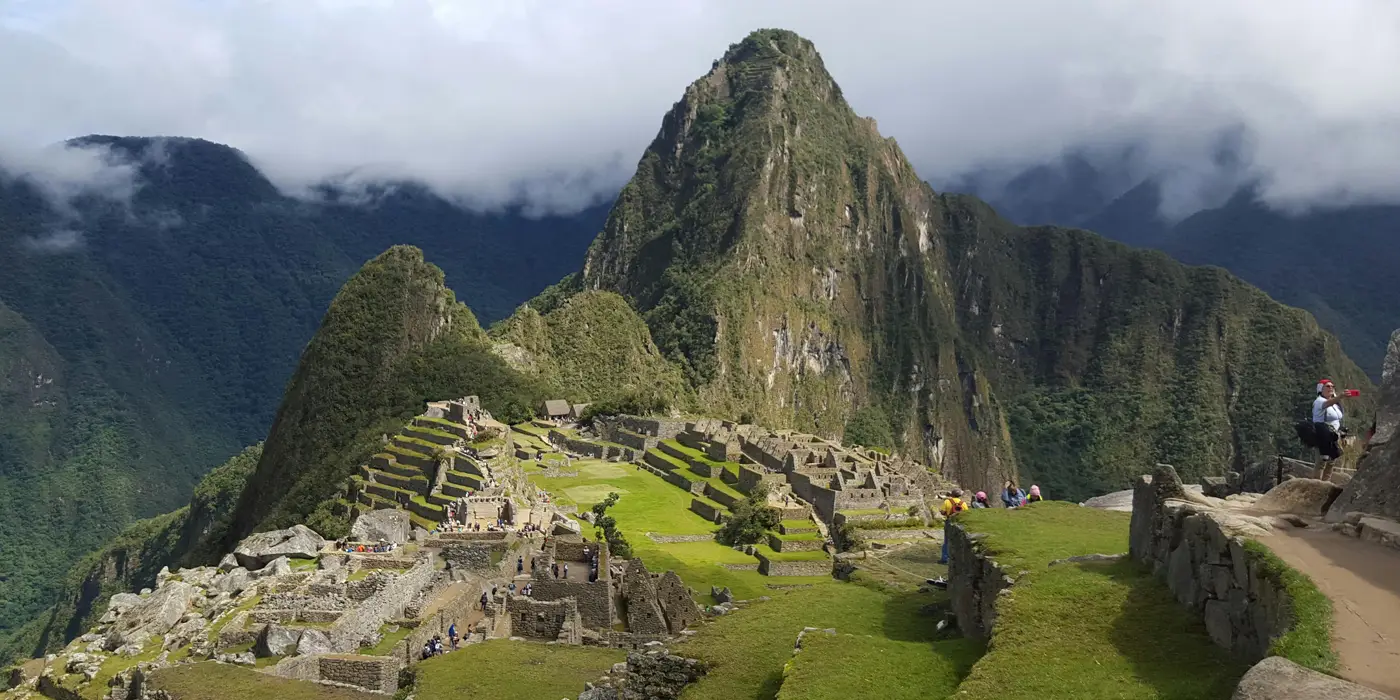
Departing from Cusco, you will follow the original Inca path from Km 82 through the Andes, passing through remarkable sites including Llactapata, Runkurakay, Sayacmarca, Phuyupatamarca, Intipata, Wiñay Wayna, and the iconic Sun Gate. On the final morning, you will witness the breathtaking moment when Machu Picchu comes into view from above — one of the most powerful highlights of the entire journey.
This private tour is a wonderful choice for couples, families with children, groups of friends, and travelers seeking a more exclusive experience. With Discover Qosqo, you travel with a professional local team, premium trail service, responsible porter welfare standards, and sustainable tourism practices that contribute to protecting the Inca Trail and supporting surrounding communities.
Day 1: Cusco – Km 82 – Llactapata – Ayapata (14 km / 6 hrs)
Departure from your hotel around 4:30 a.m., followed by a drive to Km 82 to begin the private Inca Trail trek. The first day involves roughly 6 hours of hiking alongside streams, small villages, ancient Inca sites, and sweeping Andean scenery, ending at the first campsite at Ayapata, situated at 3,300 m / 10,826 ft.
Day 2: Ayapata – Warmiwañusca – Chaquicocha (16 km / 10 hrs)
Begin the day with a warm drink delivered to your tent before tackling the most demanding stretch of the trail. Ascend to Dead Woman’s Pass at 4,215 m / 13,829 ft, then continue across Runkuraqay Pass before arriving at Chaquicocha, the second campsite at 3,600 m / 11,811 ft.
Day 3: Chaquicocha – Phuyupatamarca – Wiñay Wayna (10 km / 6 hrs)
One of the most scenic days on the route, with cloud forest, shifting landscapes, panoramic mountain views, and impressive archaeological complexes including Phuyupatamarca, Intipata, and Wiñay Wayna.
Day 4: Wiñay Wayna – Sun Gate – Machu Picchu – Cusco (6 km / 3 hrs)
An early start leads you to the Sun Gate for your first sweeping view of Machu Picchu. Following the guided visit of the citadel, descend by bus to Aguas Calientes and return to Cusco aboard the panoramic Vistadome or 360° train.
- Campsite locations may vary depending on availability and final assignment. As a private tour, Discover Qosqo can also adjust the pace of the experience to suit your group’s needs.
- Inca Trail permits are limited and fill up quickly, especially during high season. Early booking is strongly recommended to secure your preferred departure date.
Full Day-by-Day Itinerary
Day 1: Cusco – Km 82 – Hatunchaca – Ayapata
The adventure begins with an early hotel pickup in Cusco at around 4:30 a.m., followed by a scenic drive to Ollantaytambo for breakfast at a local restaurant. From there, roughly one more hour of driving brings you to Km 82 — also known as Piscacucho — the official starting point of your private trek to Machu Picchu.
At the trailhead, you will check in at the control point with your original passport and meet your dedicated trekking crew: guide, chefs, and porters. Discover Qosqo works with a carefully selected team and upholds responsible porter welfare standards throughout the entire route.
The opening stretch of the Inca Trail is a gentle introduction, with approximately 4 hours of walking past flowing streams, remote settlements, archaeological remains, and open Andean vistas until reaching Hatunchaca for lunch. Your private chef will prepare a fresh buffet-style meal using local ingredients and a variety of options.
In the afternoon, a 2-hour ascent brings you to Ayapata, your first campsite. Your tent will be set up and ready upon arrival, giving you time to rest and take in the surroundings. Tea time with warm drinks and snacks precedes dinner, followed by a briefing from your guide on what to expect the next day.
- Hiking Distance: 14 km / 8.7 mi
- Duration: 6 hours
- Campsite Altitude: 3,300 m / 10,826 ft
- Highest Altitude: 3,300 m / 10,826 ft
- Meals: Breakfast, snacks, lunch, tea time, dinner
- Difficulty: Moderate
Day 2: Ayapata – Warmiwañusca – Runkuraqay – Chaquicocha
A warm drink delivered to your tent and a hearty breakfast await you before the most physically challenging day of the trek. The morning kicks off with a steady 4-hour climb toward Warmiwañusca, or Dead Woman’s Pass, the highest point on the Inca Trail at 4,215 m / 13,829 ft.
At the summit, pause to rest, absorb the views, and celebrate this milestone with your private guide and trekking team. Because this is an exclusive tour, you set your own pace, take breaks whenever necessary, and fully enjoy the experience without feeling rushed.
From Dead Woman’s Pass, a roughly 2-hour descent leads into Pacaymayu Valley, where lunch will be ready in the mountains. The afternoon continues with another 2-hour ascent to Runkuraqay Pass at 4,000 m / 13,123 ft, passing through ever-changing terrain and notable Inca sites such as Runkuraqay and Sayacmarca.
Tonight’s camp is at Chaquicocha, situated at 3,600 m / 11,811 ft. On clear evenings, this is an ideal spot to unwind, watch the sunset, and spend a peaceful night beneath the stars before dinner.
- Hiking Distance: 16 km / 10 mi
- Duration: 10 hours
- Campsite Altitude: 3,600 m / 11,811 ft
- Highest Altitude: 4,215 m / 13,829 ft
- Meals: Breakfast, snacks, lunch, tea time, dinner
- Difficulty: Challenging
Day 3: Chaquicocha – Phuyupatamarca – Wiñay Wayna
With both mountain passes now behind you, Day 3 of the private Inca Trail feels more relaxed and visually rewarding. The route begins with a gradual descent from the highlands into the cloud forest, offering sweeping views of the Vilcanota and Salkantay mountain ranges as you make your way toward the final campsite.
The first section of the hike takes around 2 hours to reach Phuyupatamarca, the «City in the Clouds,» perched at 3,650 m / 11,972 ft. Here you will have time to wander through the ruins, enjoy the scenery, and appreciate one of the most remarkable archaeological complexes along the entire trail.
From Phuyupatamarca, the path descends into the cloud forest. Along the way, a stop at Intipata — the Terraces of the Sun — offers panoramic views before continuing to the lunch spot. Because this is a private experience with Discover Qosqo, your guide can adjust the day’s rhythm to allow ample time for photographs, explanations, and rest.
The afternoon brings free time to explore the Wiñay Wayna ruins, pose for photos with nearby llamas, or simply relax at camp. Tea time and dinner are followed by a special farewell gathering with the trekking team that has accompanied your journey.
- Hiking Distance: 10 km / 6.2 mi
- Duration: 6 hours
- Campsite Altitude: 2,600 m / 8,530 ft
- Highest Altitude: 3,650 m / 11,972 ft
- Meals: Breakfast, snacks, lunch, tea time, dinner
- Difficulty: Moderate
Day 4: Wiñay Wayna – Sun Gate – Machu Picchu – Cusco
The final day’s goal is reaching the Sun Gate — Intipunku — for your first unforgettable panorama of Machu Picchu. Wake-up is around 4:00 a.m., followed by breakfast and a wait at the checkpoint until it opens at 5:30 a.m. From there, the hike toward the Sun Gate begins along Circuit 1.
Upon reaching the Sun Gate, take in the full panoramic view of Machu Picchu and the encircling mountains — one of the most emotional moments of the entire Inca Trail. Then, roughly 1 hour of descent along the upper route leads to the citadel, with opportunities for the iconic elevated photographs of Machu Picchu.
At the main entrance, there is a short break for coffee, restrooms, and lockers if needed. The private guided visit then continues through Circuit 3, covering some of the most significant areas of Machu Picchu: temples, royal palaces, water fountains, agricultural terraces, and ceremonial spaces. Your Discover Qosqo guide will bring the history and meaning of the site to life at a comfortable pace.
After the tour, board the bus down to Aguas Calientes for lunch (not included), then take the panoramic Vistadome or 360° train to Ollantaytambo. A private transfer will return you to your hotel in Cusco or the Sacred Valley, with an estimated arrival around 7:30 p.m.
If you prefer to spend the night in Aguas Calientes, Discover Qosqo can adjust the return logistics so you may stay overnight and revisit Machu Picchu independently the following day, subject to ticket availability.
- Hiking Distance: 6 km / 3.7 mi
- Duration: 3 hours
- Machu Picchu Site Altitude: 2,430 m / 7,972 ft
- Meals: Breakfast
- Difficulty: Easy to Moderate
What Is Included
- Safety briefing the day before departure
- Complimentary luggage storage
- Hotel pickup and drop-off (door-to-door service)
- Private professional tour guide (2 guides for groups of 9 or more)
- All transportation during the tour
- Return journey on the panoramic Vistadome or 360° train
- Entry tickets to the Inca Trail and Machu Picchu
- All camping equipment carried by the porter team
- Personal porter carrying up to 7 kg / 15 lb of your belongings
- 3 nights of camping with high-quality gear
- Spacious tents for every 2 trekkers
- Single tent available upon request
- Dining tent with tables and chairs
- All meals on the trail, except lunch on the last day
- Drinking water and daily snacks
- Satellite phones, first-aid kit, and oxygen supply
- Private portable toilets
- Pillow, rain poncho, and hand towels
What Is Not Included
- Lunch on the last day following the Machu Picchu tour
- Entry to Huayna Picchu Mountain or Machu Picchu Mountain (optional)
- Sleeping bag, inflatable sleeping pad, and trekking poles
- Travel insurance
Machu Picchu Circuits Included
- Circuit 1: On the morning of Day 4, all Inca Trail hikers arrive at Machu Picchu through the Sun Gate. This route provides access to the upper section and the classic panoramic viewpoints, where you can enjoy sweeping vistas of the citadel and the surrounding mountain landscape.
- Circuit 3: After exiting and re-entering through the main checkpoint, you will explore the lower portion of Machu Picchu, including key sectors such as the Temple of the Sun, the Royal Palace, the water fountains, the Temple of the Condor, and the Water Mirrors.
The combination of Circuit 1 and Circuit 3 offers one of the most complete Machu Picchu experiences available. You enjoy the famous panoramic viewpoint from above, then delve into the central urban area of the citadel with your private Discover Qosqo guide.
Optional Hikes After the Machu Picchu Tour
- Huayna Picchu Mountain – approximately 2-hour round trip
- Machu Picchu Mountain – approximately 3-hour round trip
Only one of these mountains may be hiked per visit, and both options take place after the guided tour of Machu Picchu. Advance booking is required as availability is very limited.
Packing Guide
To ensure a smooth journey, balance and organization are key. Since there is no road access or mobile signal along the route, your belongings will be split into two: a daypack (maximum 25L for entry into Machu Picchu) for trekking essentials, and a duffle bag provided during your briefing for everything you will need at camp. Keeping your gear light not only improves your comfort but also upholds responsible porter welfare standards.
Core Essentials and Documentation
Before departing, double-check that you have your original passport, local currency (Peruvian Soles) for small purchases, and your personal protection kit: sunscreen, hand sanitizer, and wet wipes. Since there are no outlets on the trail, a high-capacity power bank is vital to keep your devices charged.
The Layering System: What to Wear
Temperatures shift quickly between warm valleys, freezing mountain passes, and humid cloud forests. The most effective approach is wearing light, breathable, and moisture-wicking layers that are easy to add or remove:
- Foundation & Footwear: Start with comfortable underwear, moisture-wicking shirts, and high-quality hiking socks. For your feet, high-top hiking boots are recommended for the trail, while walking shoes or sandals are perfect for letting your feet rest at the end of the day.
- Insulation & Outerwear: Use quick-dry hiking pants, a fleece, and a warm down jacket for the cold nights. Always keep a waterproof and windproof jacket accessible to handle sudden rain or wind gusts in the high-altitude sections.
Gear Organization by Bag
What to Put in Your Daypack
Your daypack should stay compact and practical. This is where you carry your water bottle, snacks, sunglasses, and a sun hat or cap with neck cover. For higher elevations, include:
- Gloves, a buff or bandana, and a headlamp.
- Trekking poles and any personal medication you might need during the day.
What to Put in Your Duffle Bag
The duffle bag is carried by the porter team and is only accessible at the campsites. It has a strict weight limit of 7 kg (15 lb), which includes your sleeping bag and mattress (together weighing about 3 kg). This space is for:
- Toiletries and personal hygiene items.
- Extra long-sleeve T-shirts and specialized sleeping gear.
Equipment and Rentals
To make your expedition easier, Discover Qosqo provides the 7 kg capacity duffle bag, a sleeping mattress, a plastic rain poncho, and a commemorative tour T-shirt.
If you prefer to avoid carrying bulky gear to Peru, the following items are available to rent:
- Trekking poles
- Professional sleeping bags
- Inflatable air mattresses
Tour Information
Inca Trail Map and Altitude Profile
The Classic Inca Trail route runs from the trailhead at Km 82 to the highest point at Dead Woman’s Pass, then descends toward the cloud forest and Machu Picchu. The route is connected to the historic Qhapaq Ñan Andean Road System, making this one of the most meaningful ways to experience the ancient Inca world. The full trail covers 42 kilometers / 26 miles and reaches a peak elevation of 4,215 meters / 13,829 feet. Reviewing the elevation profile in advance helps set realistic expectations and explains why the first two days are the most demanding.
Arriving Early and Acclimatizing
Discover Qosqo strongly recommends arriving in Cusco at least 2 days before the trek. Altitude affects everyone differently, and those extra days can make a meaningful difference to how you feel on the trail. During the initial days, gentle activities such as a Cusco City Tour or Sacred Valley Tour are advisable. Alternatively, staying near Ollantaytambo — which sits at a lower elevation and is closer to the trailhead — is another excellent option. Keep activities light, stay well hydrated, and limit alcohol intake during the first days at altitude.
Private Tour Flexibility and Pace
One of the greatest advantages of a private Inca Trail experience is flexibility. You follow the same official route and general itinerary, but your guide can adapt the rhythm of each day to your group’s fitness level, interests, and preferred hiking pace. This is especially valuable for couples, families, photographers, and travelers who want more time at archaeological sites or more frequent rest stops. The route remains physically demanding, but the private format makes the experience more personal and comfortable.
Passport and Document Rules
Your original passport is mandatory throughout the trek. The details on your Inca Trail permit and Machu Picchu ticket must match the passport you present at the checkpoints. If you renew your passport after booking, send copies of both the old and new passports so the update can be requested. Students who booked with a discount must bring the original university ID used at the time of reservation. Passport details are required at booking and once confirmed, only the passport number can be updated — other personal information cannot be changed. Please ensure no nicknames are used and no family name is omitted.
Weather and Best Months to Hike
The driest period generally runs from April to October, offering better trail conditions and clearer mountain views. The wetter season spans November to March, bringing lusher, greener landscapes alongside more rain and less predictable conditions. The trail is beautiful year-round, and every season has its advantages. The trail closes every February for annual maintenance. Even during the dry season, weather can shift quickly, so sun, wind, cold mornings, and occasional rain may all occur on the same trip.
Permits and Booking Timing
The Classic Inca Trail requires a special permit and can only be arranged through an authorized operator like Discover Qosqo. Independent access is not permitted, and permits cannot be purchased directly by travelers. Daily permits are limited to 500 — a number that includes travelers, porters, chefs, and guides combined. The most popular dates sell out months in advance, particularly from May to September. A private departure should only be considered confirmed once the permit has been officially secured through the permit system.
Trail Conditions, Stone Steps, and No Horses
One of the biggest surprises for first-time hikers is the sheer number of stone steps along the route. The trail is stunning, but it is also uneven, repetitive on the legs, and often more demanding on descents than expected. Unlike some other Andean treks, the Inca Trail does not permit horses along the route, so it is essential to arrive physically prepared to complete the entire hike on foot. The private format helps by allowing a more comfortable rhythm, but preparation and a realistic mindset are still essential.
Camps, Bathrooms, and Hygiene
Camping on the Inca Trail is comfortable but remains a genuine mountain experience. You will sleep at official campsites, as there are no hotels or permanent lodges along the route. From Day 1, the team carries tents, food, kitchen equipment, and all camp gear to the next campsite. Bathroom facilities are basic. Public toilets are usually available at campsites and some lunch stops, and Discover Qosqo also provides private portable toilets for added comfort. Showers are limited and typically cold, so hand sanitizer, wet wipes, and toilet paper are highly recommended.
Physical Preparation Before the Trek
The best preparation is not just general fitness but trail-specific training. Practicing uphill walks, descents, and carrying a daypack for extended periods will be far more beneficial than short gym sessions alone. Regular walks, stair climbing, hill hikes, and basic leg exercises such as lunges or squats are all helpful. Proper preparation does not eliminate the effects of altitude, but it makes the trek considerably more manageable. Arriving in Cusco at least 2 days early and taking gentle acclimatization tours beforehand is also strongly advised.
Connectivity and Charging on the Trail
The trail is remote, so you should not rely on mobile signal, Wi-Fi, or charging facilities during the hike. Most sections have weak or no phone service, and dependable charging points are unavailable along the route. Bring a fully charged power bank and inform family or friends that you may be offline for most of the trek. Discover Qosqo carries satellite phones during the tour for additional safety.
Entering Machu Picchu After the Trek
When entering Machu Picchu, you must carry the same original passport used for your reservation. Large backpacks are not permitted inside and must be stored before entering the citadel. Machu Picchu is both a UNESCO World Heritage Site and part of the Historic Sanctuary of Machu Picchu Protected Area, so visitor regulations are strictly enforced. Food and various restricted items are not allowed inside, and re-entry is generally not permitted once you exit. On the final day, you will arrive through the Sun Gate via Circuit 1 for the panoramic viewpoints, and then explore Circuit 3 — the lower central area — with your private Discover Qosqo guide.
Frequently Asked Questions
Find answers to the most common questions regarding our premium private trekking experiences to Machu Picchu.
1. What is the difference between a group tour and a private tour?
While both follow the same 4-day route, the private tour offers a dedicated guide, an exclusive trekking team, and a flexible pace. It is the ideal choice for families or groups seeking personal attention and a premium experience.
2. Can solo travelers or small groups book a private trek?
Yes, solo travelers can book the private trek for complete exclusivity, and the minimum required is one person. Additionally, the per-person cost decreases as your group size increases.
3. Can the pace of the trek be customized?
Absolutely; this is a primary advantage of the private format. Your guide can adapt the rhythm to your fitness level and interests, allowing for extra photo stops or more time at ruins without the pressure of a shared group.
4. How are dietary requirements and meals handled?
A private chef prepares fresh, local meals throughout the journey. We can accommodate vegetarian, vegan, gluten-free, and allergy-friendly diets if communicated in advance.
5. Is the trek safe and suitable for children or seniors?
The private format is excellent for families and older travelers due to the increased control over the pace. Our guides are trained in first aid, and the team carries oxygen and satellite phones for maximum safety.
6. How do I book and when should I do it?
To book, contact the Discover Qosqo team with your dates and group details; permits are secured once the deposit is received. Because Inca Trail permits are limited and strictly name-specific, early booking is strongly recommended.
7. What is the tipping custom for the trekking team?
Tips for the guide, chef, and porters are not obligatory but are customary as a gesture of appreciation for exceptional service. Most travelers choose to provide a gratuity at the end of the trek.