




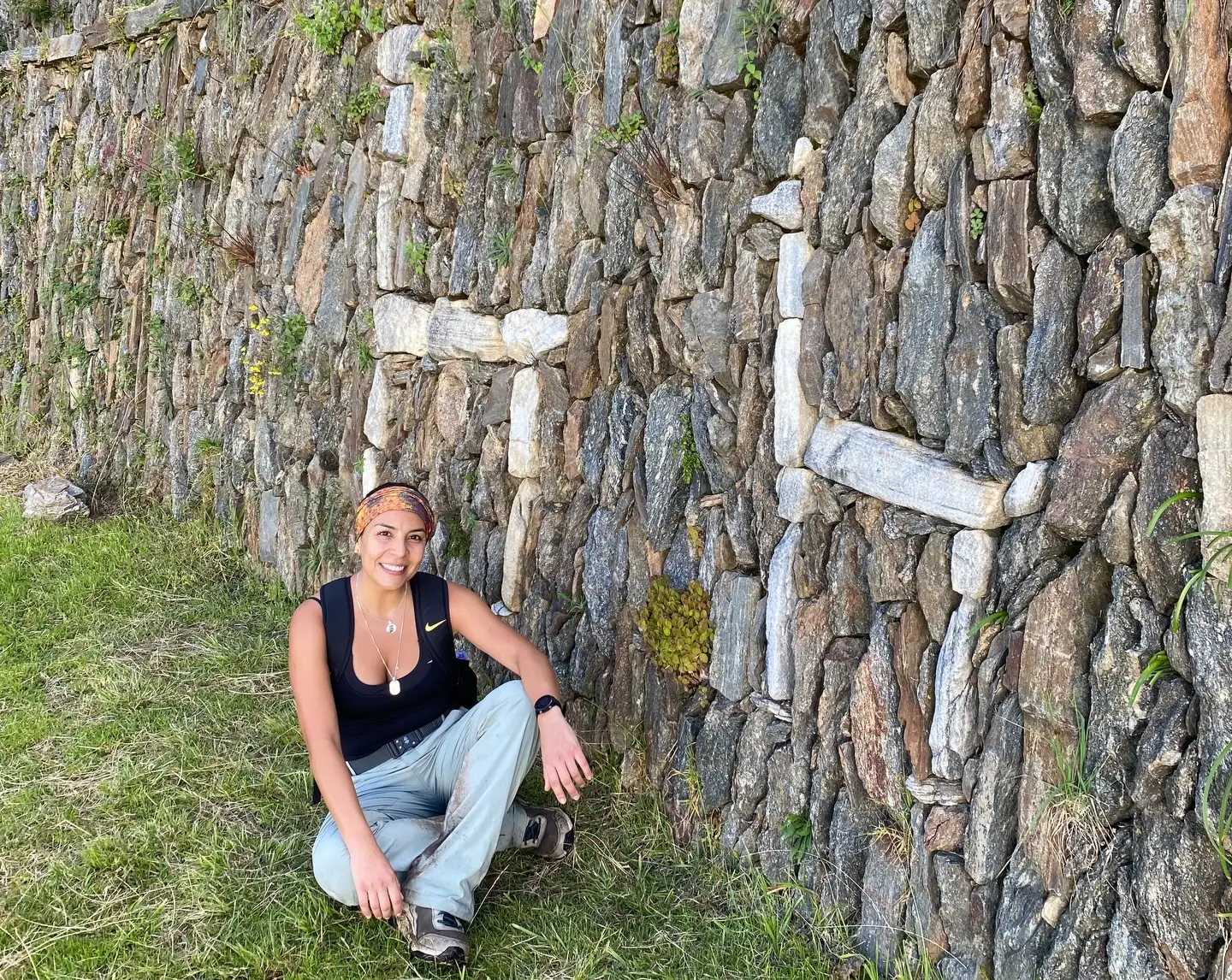
Overview
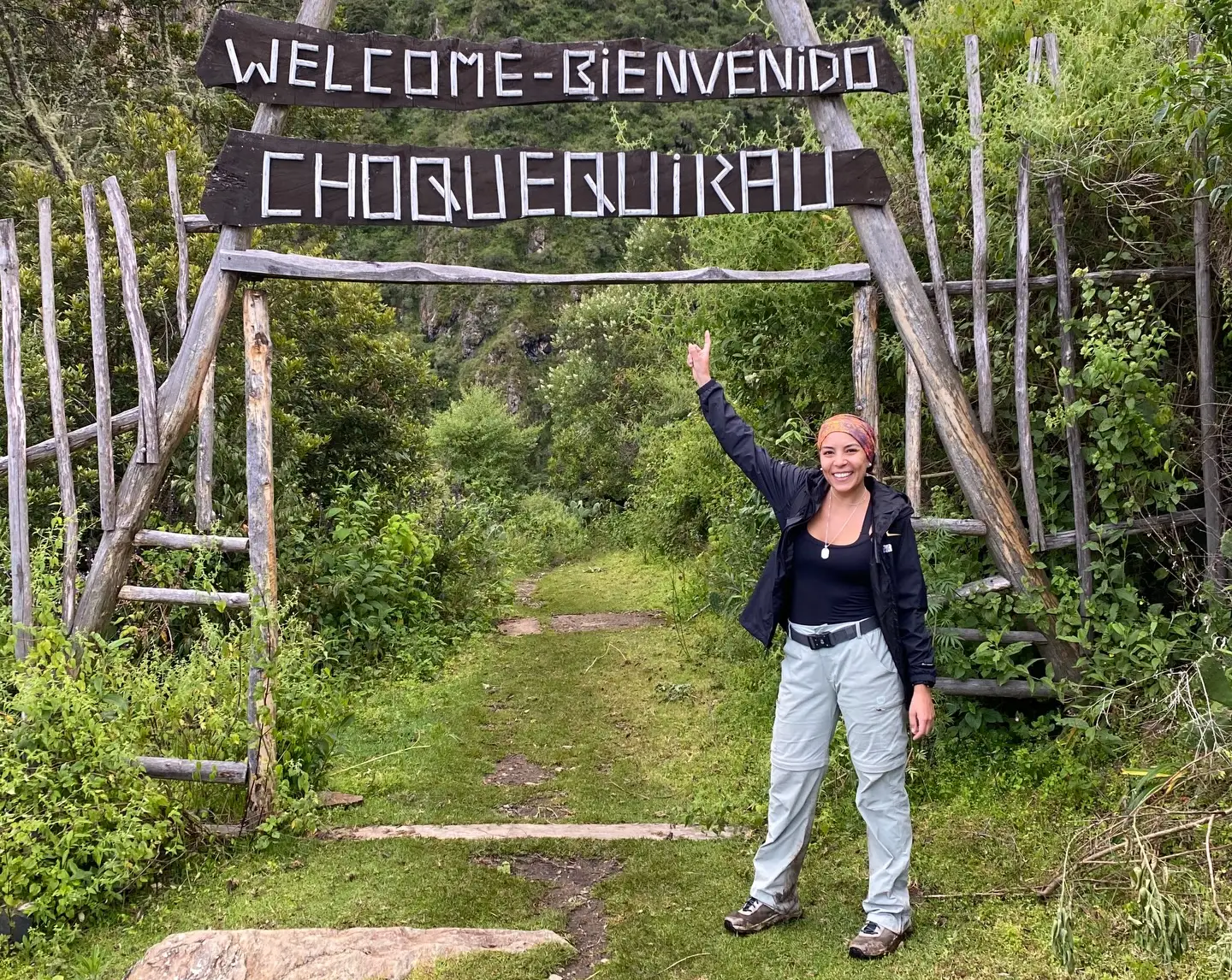
The 5-day Choquequirao trek, meticulously organized by DISCOVER QOSQO, is an extraordinary journey designed for those who seek adventure off the beaten track. This expedition takes you deep into the heart of the mighty Apurimac Canyon, one of the deepest in the world, where you can explore ancient Inca history in total solitude. From the cloud forests to the rugged Andean peaks, this trail offers a raw and authentic connection with nature.
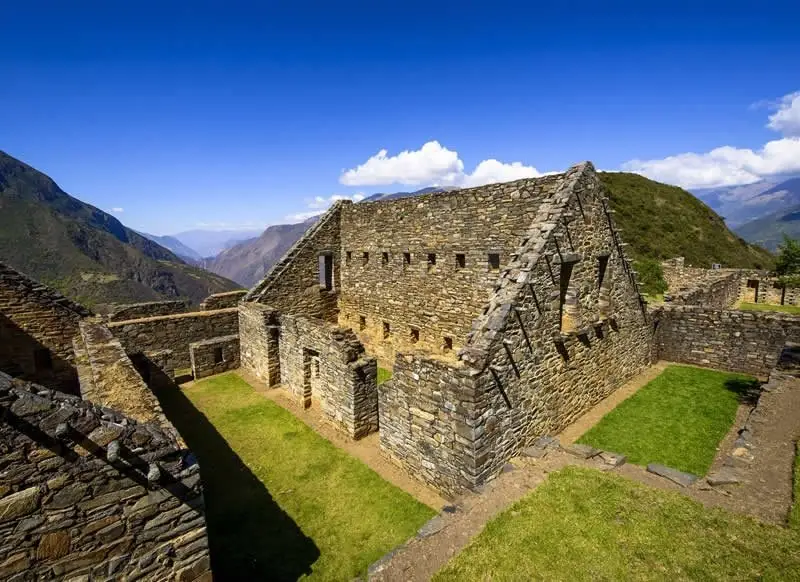
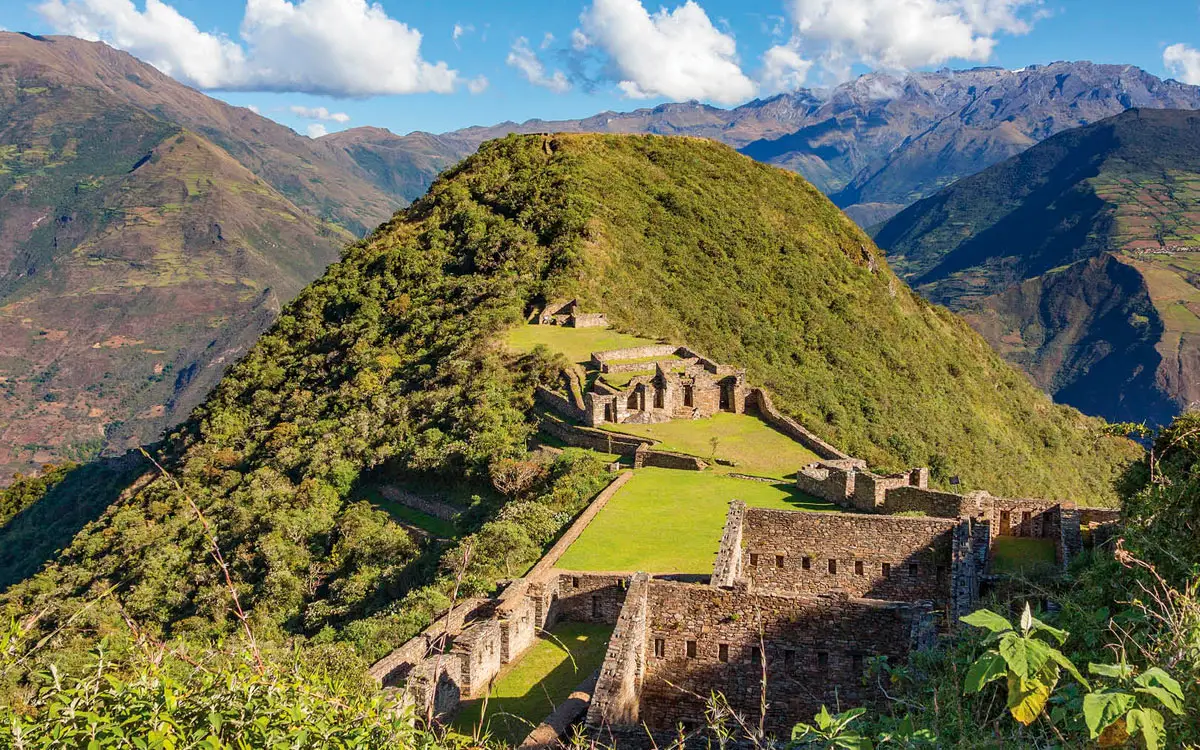
Your journey begins with a descent from the highlands into the warm embrace of the canyon, reaching the quiet camp of Chikiska. As we progress, you will witness breathtaking vistas of the Vilcabamba range before reaching the majestic citadel of Choquequirao. This site, often referred to as the «sister city» of Machu Picchu, is twice the size and remains largely untouched by mass tourism, offering a truly exclusive archaeological experience.
With DISCOVER QOSQO, you won’t just hike; you will immerse yourself in local culture. Highlights include a traditional Pachamanca barbecue—an ancient underground cooking technique using hot stones—and expert-led tours that bring the last days of the Inca Empire to life. This is a premium trekking experience that combines physical challenge with professional comfort and cultural depth.
Day 1: Apurimac Canyon & Chikiska Arrival
Starting from Cusco, we descend into the staggering depths of the Apurimac Canyon. The climate shifts from the cool highlands to the lush cloud forest as we reach our first campsite in Chikiska (1,950 m / 6,398 ft).
Day 2: Marampata High Plateau Arrival
A challenging but rewarding ascent brings us to Marampata. This campsite offers some of the most spectacular mountain views in the region and is the perfect spot for stargazing under clear Andean skies.
Day 3: Full Exploration of Choquequirao
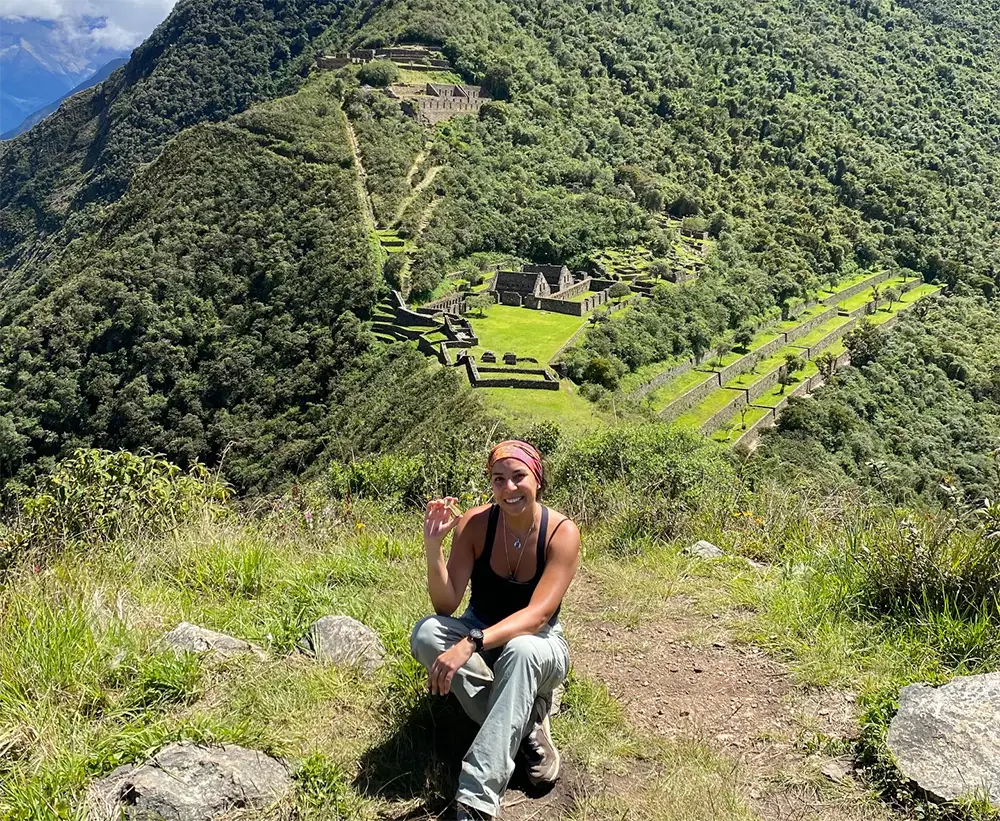
A dedicated day to uncover the secrets of the «Cradle of Gold.» You will explore the ceremonial plazas, agricultural terraces, and sacred temples of this massive Inca city with your professional guide.
Day 4: Cloud Forest & Coca Masana
After a final sunrise at the ruins, we descend back to the canyon floor before making our way to the Coca Masana camp, surrounded by diverse flora and native birdlife.
Day 5: Capuliyoc Ascent & Pachamanca Celebration
The final climb leads us to the Capuliyoc Pass. We celebrate our successful journey with a traditional Pachamanca feast before returning to Cusco in our private transportation.
Full 5-Day Choquequirao Journey
Day 1: Apurimac Canyon & Chikiska
Your DISCOVER QOSQO guide will collect you from your hotel at 4:30 a.m. for a scenic 4-hour drive to Capuliyoc. After a fresh breakfast, the trek begins with a 6-hour journey, mostly downhill, into the impressive Apurimac Canyon. As we descend from 2,950 m to our camp at Chikiska (1,950 m), you will notice the landscape transforming from highland shrubs to lush cloud forest foliage. Our trekking chef will prepare a delicious lunch and dinner at the campsite.
- Distance: 10 km / 6.2 miles
- Duration: 6 hours
- Campsite Altitude: 1,950 m / 6,398 ft
- Difficulty: Moderate
Day 2: Playa Rosalina & Marampata
We start the day at 5:00 a.m. with a hot beverage in your tent. After breakfast, we descend to Playa Rosalina to cross the Apurimac River via a suspension bridge. The challenge begins with a steady 2.5-hour ascent to Santa Rosa for lunch, followed by another 2.5-hour climb to the village of Marampata (2,940 m). This is the most beautiful campsite of the trek, offering unparalleled views of the canyon and the sunset over the ruins.
- Distance: 15 km / 9.3 miles
- Duration: 6 hours
- Campsite Altitude: 2,940 m / 9,646 ft
- Difficulty: Moderate to Challenging
Day 3: Choquequirao Citadel Exploration
Today is dedicated to the magnificent «Sister of Machu Picchu.» After witnessing the sunrise over the mountains, we walk for 2 hours to reach the main archaeological complex. You will have the entire day to explore the Hanan Temple, the Llama Terraces, and the Main Plaza. Your guide will provide in-depth historical context about this remote refuge. We return to our Marampata campsite for a final evening under the stars.
- Distance: 7 km / 4.3 miles
- Duration: 4 hours exploration
- Campsite Altitude: 2,940 m / 9,646 ft
- Difficulty: Moderate
Day 4: Descent to the Canyon & Coca Masana
After a gourmet breakfast, we begin our 4-hour descent back toward the Apurimac River at Playa Rosalina. The trail offers a final perspective of the scale of the canyon. In the afternoon, we start a 2-hour ascent to our final campsite at Coca Masana (2,330 m). This area is rich in native birdlife and orchids, and the sound of distant waterfalls provides a peaceful backdrop for our last night in the wild.
- Distance: 17 km / 10.5 miles
- Duration: 7 hours
- Campsite Altitude: 2,330 m / 7,545 ft
- Difficulty: Challenging
Day 5: Capuliyoc Pass & Pachamanca Celebration
Our final 3-hour climb brings us back to the Capuliyoc Pass, where our trek officially concludes. We celebrate our achievement with a traditional Pachamanca barbecue, prepared by our team using hot stones and local ingredients. After lunch, we take our private van to visit the mysterious carved rock of Saywite before returning to Cusco, arriving at your hotel around 6:00 p.m.
- Distance: 6 km / 4 miles
- Highest Point: 2,950 m / 9,678 ft
- Difficulty: Moderate
What is Included with DISCOVER QOSQO
- Safety briefing the day before the tour in Cusco.
- Hotel pickup and drop-off in our private transportation.
- Professional bilingual guide (Assistant guide included for groups over 9).
- Expert mountain chef and dedicated kitchen team.
- Support porters and muleteers with cargo horses for all equipment.
- Duffle bag for your personal items (up to 7 kg / 15 lb).
- Gourmet trail meals: 5 breakfasts, 5 lunches, and 4 dinners.
- Fresh snacks and purified drinking water provided daily.
- High-quality camping gear: 4-season tents and dining setup.
- Comfortable sleeping foam mattress and pillows.
- Official entry tickets to the Choquequirao archaeological site.
- Traditional Pachamanca barbecue celebration on the final day.
- Safety kit: First-aid, medical oxygen, and satellite communication devices.
Not Included
- Rental gear: Sleeping bags, air mattresses, and trekking poles.
- Final dinner on Day 5 after returning to Cusco.
- Personal travel insurance (Highly recommended for high-altitude trekking).
- Staff tips and personal expenses.
Ultimate Packing List for Choquequirao
For a successful DISCOVER QOSQO expedition, smart packing is essential. You will carry your daypack, while our team handles a duffle bag with up to 7 kg of your gear. Please leave your main luggage at your hotel or in our secure storage in Cusco.
Trail Essentials
- Original Passport (Required for registration).
- High-quality daypack (30-40L recommended).
- Reusable water bottle or hydration bladder.
- High-factor sunscreen, lip balm with SPF, and polarized sunglasses.
- Personal medical kit and high-strength insect repellent.
- Headlamp with extra batteries for the campsites.
Recommended Clothing
The weather fluctuates dramatically between the hot canyon floor and the cold mountain passes. Dress in layers: moisture-wicking shirts, quick-dry hiking trousers, a warm fleece or down jacket, and a high-quality waterproof shell or poncho. Sturdy, high-top hiking boots are mandatory.
Duffle Bag Items (Campsite Gear)
- Thermal base layers for sleeping.
- Warm hat (beanie) and gloves.
- Spare hiking socks and comfortable camp shoes or sandals.
- Personal toiletries and a small towel.
- Sleeping bag (must be rated for freezing temperatures).
Essential Travel Information
Prepare for your DISCOVER QOSQO journey with these practical details on altitude, weather, and logistics.
Acclimatization & Health
Choquequirao sits at 3,050 m (10,007 ft), but the trek involves significant elevation gains and losses. We strongly recommend arriving in Cusco 2-3 days before the trek to rest and adjust. Drink plenty of water, eat light, and avoid alcohol before your departure. If you have pre-existing medical conditions, please inform us in advance.
Weather Dynamics
The dry season (May to September) offers clear skies and safer trails, though nights are freezing at the higher camps. The rainy season (November to March) brings humid heat in the canyon and potentially slick paths. Be prepared with high-quality rain gear regardless of the season.
Archaeological Significance
Known as the «Sister of Machu Picchu,» Choquequirao is a massive ceremonial, administrative, and agricultural hub. It served as one of the last bastions of the Inca Empire during the Spanish conquest. Because it is only accessible on foot, you will enjoy these ruins without the crowds, making it a dream destination for archaeology enthusiasts.
Booking & Logistics
A deposit of US$200 is required to secure your spot. Please provide your passport details exactly as they appear on your document. We can accommodate vegetarian, vegan, and gluten-free diets if notified at the time of booking.
Frequently Asked Questions
1. How difficult is the Choquequirao Trek?
It is considered one of the most challenging treks in Peru due to the intense descents and ascents into the Apurimac Canyon. You should be in good physical condition and have some previous hiking experience.
2. Do I need a special permit for this trail?
Unlike the Classic Inca Trail, there is no limited permit system. However, an entry ticket is required for the ruins, which is included in your DISCOVER QOSQO tour package.
3. Is altitude sickness common on this route?
While the ruins are not as high as other treks, the constant elevation changes can be demanding. Proper acclimatization in Cusco is the best way to prevent altitude-related issues.
4. Are there bathrooms at the campsites?
Our team sets up private, portable toilet tents at each campsite to ensure your comfort and privacy in the wild.
5. Is drinking water provided during the hike?
Yes. Our team boils and filters water every day for drinking and personal hygiene. You only need to provide your own reusable bottle.
6. Can I do this trek without a guide?
While possible, it is highly recommended to hire a professional. Navigation in the canyon can be tricky, and having a team to manage logistics, food, and safety is essential for a positive experience.
7. What is a Pachamanca?
It is a traditional Andean celebration where meat, potatoes, and vegetables are cooked underground using pre-heated stones, creating a unique and delicious flavor.
8. Is there phone signal on the trail?
Expect zero mobile coverage for most of the trek. Our guides carry satellite phones for emergency communication to ensure your safety at all times.
9. Can children do this trek?
We generally recommend a minimum age of 12 due to the physical intensity. However, younger active travelers have successfully completed it on private tours.
10. What is the difference between Choquequirao and Machu Picchu?
Choquequirao is more remote, larger in area, and significantly less visited. It offers a wilder, more adventurous feel than the manicured sanctuary of Machu Picchu.
11. Are porters or mules used to carry gear?
We use cargo horses and muleteers to carry the camping equipment and your duffle bags, allowing you to hike with only a light daypack.
12. What time do we arrive back in Cusco?
We typically arrive back at your hotel around 6:00 p.m. on the final day, depending on the pace of the group and local traffic.
13. Can I rent sleeping gear from you?
Yes. We have high-quality sleeping bags, inflatable mattresses, and trekking poles available for rent. Please request these during your booking.
14. Why is it called the «Cradle of Gold»?
The name Choquequirao comes from the Aymara word «Chuqui» (gold) and the Quechua word «K’iraw» (cradle), reflecting its status as a sacred and vital Inca stronghold.
15. What if it rains during the trek?
The trek operates rain or shine. Our tents are professional-grade and waterproof, and our team provides rain ponchos to keep you dry on the trail.